

Prepare For Log Home Package should be in giant letters on your calendar because it’s a big moment when the log kit finally arrives. You’ve picked the cabin layout you want, had your floor plans drawn up, selected a builder or decided to build it yourself, thought through every step…but are you really ready?
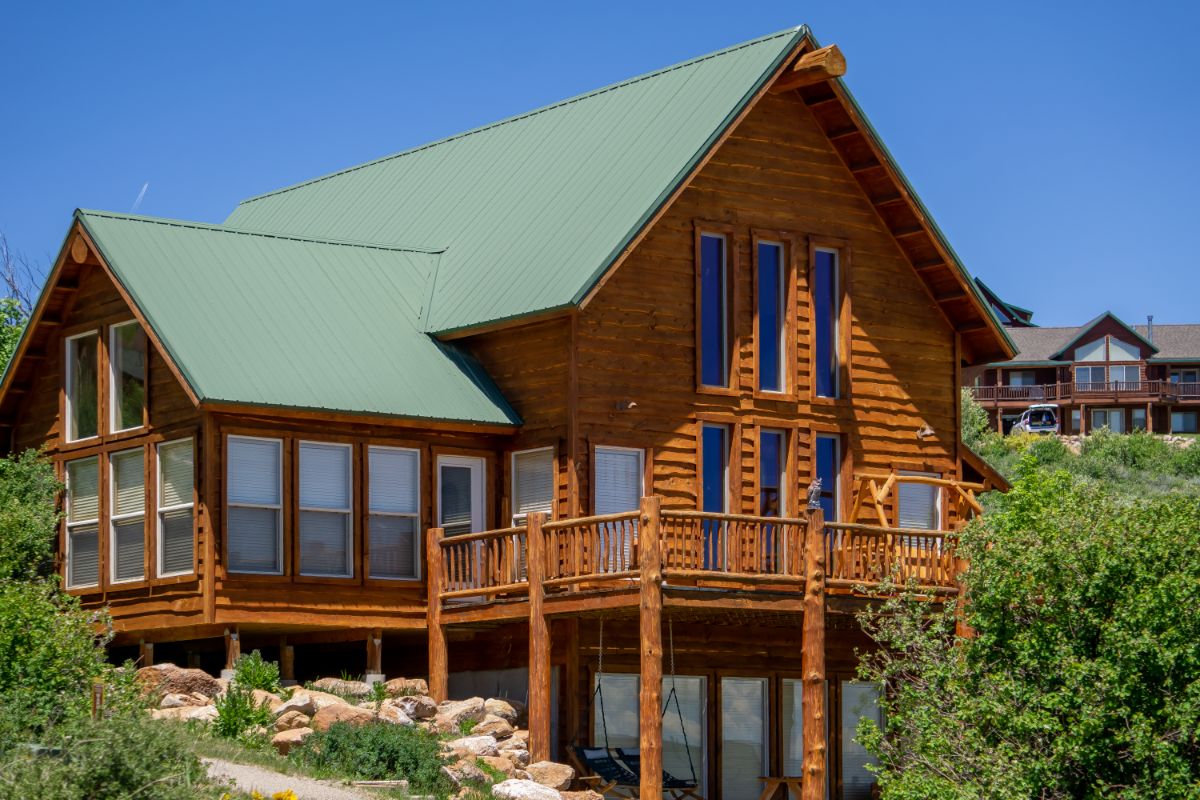
In addition to installing your utilities, let's look at some ideas to consider before your log home package arrives.
Access
You have to be able to get heavy trucks to your building site to deliver logs and pour concrete; or maybe to bring in a crane to set rafters. You need to have an all-weather road or driveway built and ready.
- stake out the route paying attention to elevation contours
- clear trees and brush
- grade it properly for drainage
- lay down a solid bed of gravel
Don't pave it yet or the large trucks can tear it up during construction. It's best to let it settle and compact before final paving.
Unloading
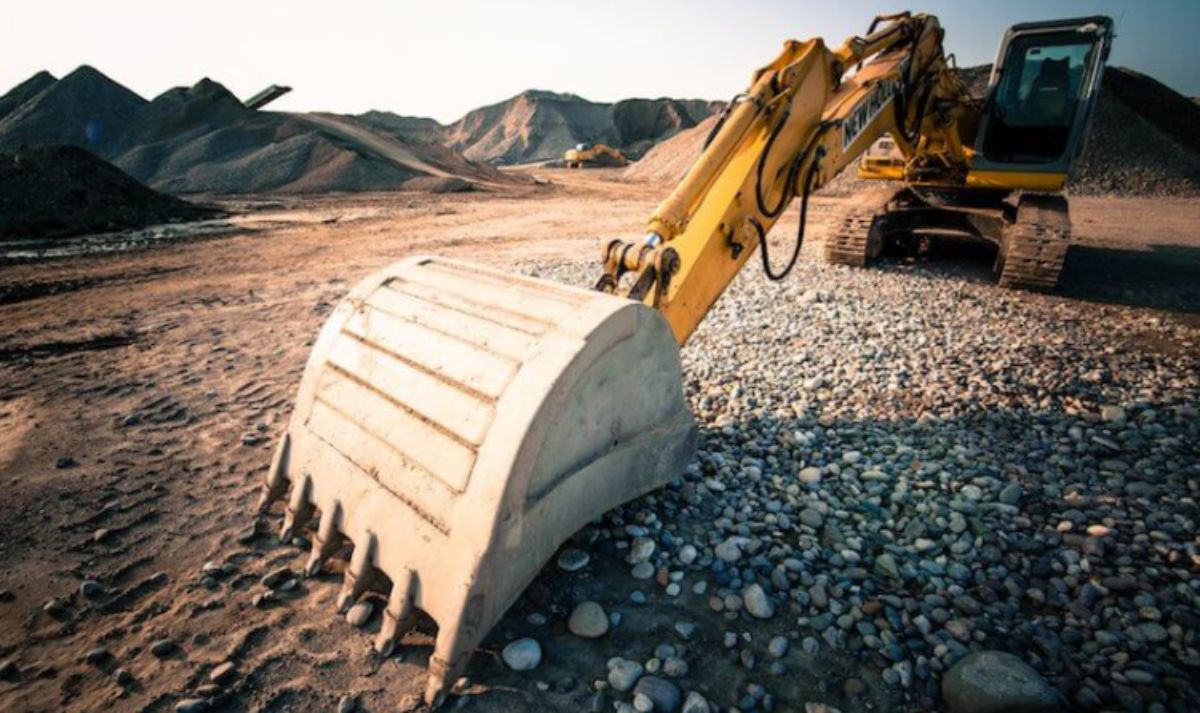
To prepare for the log home package you need to have a way to unload your log package. If you’ve bought a complete kit it will come bundled together and you have to use a forklift or Skytrak to unload.
If you are buying random length logs and site-cutting them like we normally do, you can unload them one by one and do it just by hand.
A typical 30’ x 36’ cabin might use 1600 linear feet of 6" x 8” D-logs. We can unload this in just 2 or 3 hours. We stack them in piles around the floor to distribute the load and to have the logs ready where we need them.
Protection
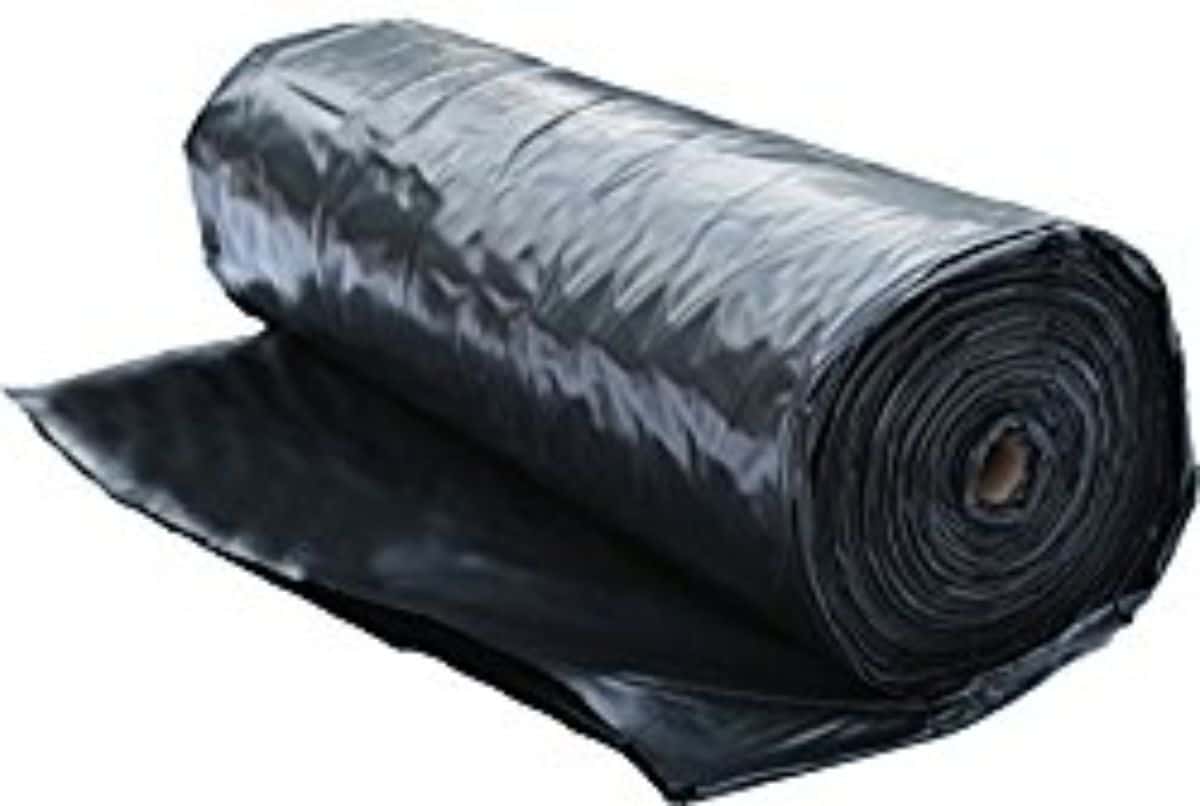
You will need to have some way of protecting the logs from the weather. The best thing is a water-proof tent made of heavy-duty, 6-mil plastic. You can make your own but remember that the logs need to breathe.
You must provide air circulation or you can get mold and discolored logs. Don’t wrap the tent tightly against the wood. Tie it or stake it out so that there is space between the plastic and the logs, if possible.
Sometimes we get logs and lumber that has blue–tinted stains. This is a harmless fungus that has discolored the wood and won’t continue to do so since the kiln-drying has killed any molds or fungi. But if you don’t like the discoloration, be sure to let the company know or inspect the lumber beforehand.
Elevation
The log bundle needs to be elevated from the ground so that it doesn’t absorb moisture through close contact. Keeping your logs at least 6” off the ground for air circulation underneath them is a great idea. If we’re going to be building immediately and the weather looks good we’ll just use some 2x material to keep the logs from direct contact.
Moving
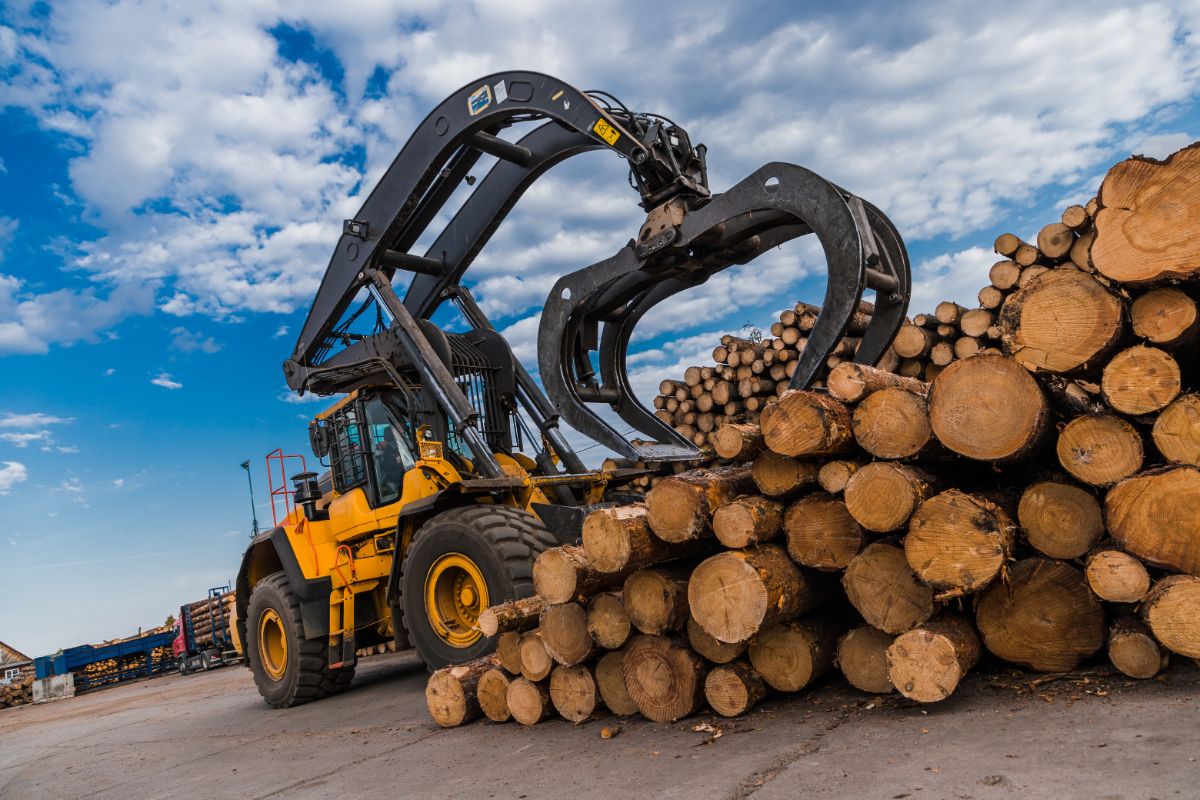
Once the construction process begins things can move very quickly. It’s important to be able to move the logs when and where they are needed without making anybody wait. Labor is expensive.
Be prepared with power equipment if necessary. There are many log styles available but we typically use 6” x 8” D-logs and since they are kiln-dried they are light enough for 2 people to move and lift them, even to stack them on to the top of a 9’-high wall.
Prepare for Log Home Package
In order to prepare for the log home package arrival you need to have these areas addressed. Otherwise you risk damaging your expensive investment and delaying the construction of your cabin.
More Log Cabin Building Pages:
Cabin Roofing Choices Your log cabin roofing choices will affect your budget and long-term enjoyment of your cabin.
Log Home Building School Learn practical ways to craft your dream at a log home building school.
Build a Log Cabin To build a log cabin means coordinating many aspects and prompt decision-making.
Cheap Hardwood Flooring Cheap hardwood flooring is available through my supplier, shipped anywhere in the country.
Build a Small Log Cabin How To Build a Small Log Cabin: Reprinted from December 1983 Popular Mechanics by Michael Chotiner with illustrations done by Harry Schaare.
Collin
How or who can I contact to get started designing my log home?
Katie Hale
You can look at any number of builders we share in our log cabin tours and reach out to them for more help 🙂